

The best sunscreens under makeup do more than shield your skin from UV rays—they also have to survive foundation, blush, concealer, and whatever skin-care routine you layered underneath. Nothing tests your patience quite like spending 15 minutes blending your makeup, only to watch it start to ball up into tiny flakes around your nose. One minute you're glowing; the next, your face looks like it’s shedding.
Before you blame (or, worse, skip) your SPF, know that the sunscreen itself often isn’t actually the issue. According to Anetta Reszko, MD, a board-certified dermatologist based in New York City, pilling can happen when you layer “silicone-heavy products, apply sunscreen before previous skin care has fully absorbed, or use very thick or occlusive moisturizer underneath it.
Our Top Sunscreens Under Makeup
- Best Mineral Sunscreen Overall: Alastin HydraTint Pro Mineral Sunscreen SPF 36, $84
- Best Chemical Sunscreen Overall: Beauty of Joseon Day Dew Sunscreen, $18
- Best for Redness: Peach & Lily Beam Blocker Invisible Sunscreen, $34
- Best for Sensitive Skin: Summer Fridays ShadeDrops SPF 50 Mineral Milk Sunscreen, $38
- Is it important to wear sunscreen under makeup, or is SPF makeup enough?
- What could be happening if your makeup is pilling over your sunscreen?
- Which sunscreen ingredients can make makeup slide off?
- Do mineral and chemical sunscreens wear differently under makeup?
- Meet the experts
- How we test and review products
- Our staff and testers
But a few strategic steps can prevent that from happening, like using a lightweight moisturizer and wearing a makeup-friendly SPF that absorbs quickly, dries down smoothly, and doesn’t leave behind a slick or tacky finish. Ahead, our editors gladly risked a few good makeup days in the name of finding the best ones.
Best Mineral Sunscreen Overall: Alastin HydraTint Pro Mineral Sunscreen SPF 36
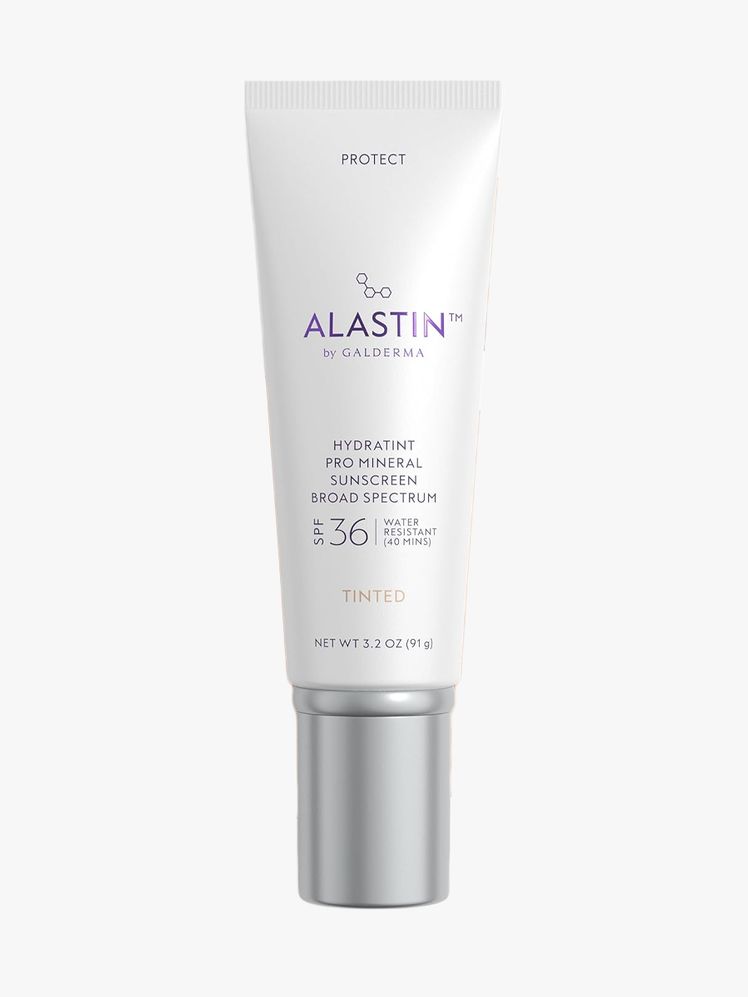
Why it's worth it: Since Alastin’s HydraTint Pro Mineral Sunscreen SPF 36 has a subtle tint, you may find you don’t need makeup at all—for some, “it functions as a hybrid between sunscreen and complexion product,” says Dr. Reszko. But if you’re looking for more coverage, it still layers well under makeup. Mineral filters (zinc oxide and titanium dioxide) provide broad-spectrum protection, while ectoin supports the skin barrier and binds water to the skin, so you’re less likely to deal with makeup clinging to dry patches. “The tint blends easily for most skin tones,” adds May Hall, DO, a double board-certified dermatologist based in Asheville, North Carolina. It comes in just one shade, so while our tester confirms it blends pretty sheer, it might not be a true shade match for extremely fair skin.
Beyond the tint and UV filters, it’s loaded with additional ingredients to help your skin cope with the stress it faces long after sun exposure. Ectoin supports the skin barrier and maintains hydration, while antioxidants phytoene and phytofluene protect against free-radical damage triggered by infrared exposure and environmental pollution. There’s also hydroxymethoxyphenyl decanone, another potent antioxidant that helps skin stay plump and calm. Translation: It’s a complexion product and an antioxidant serum rolled into one.
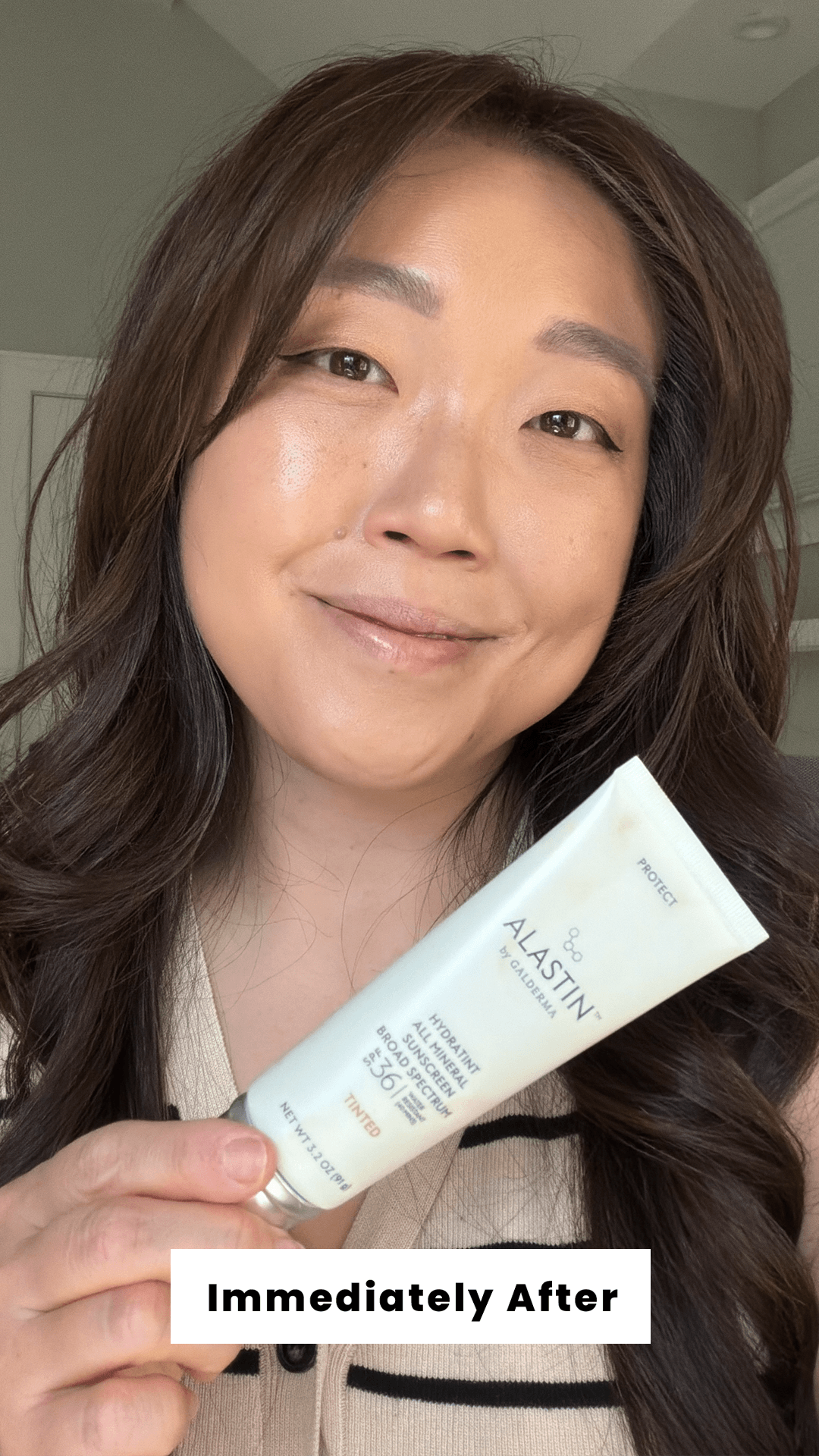
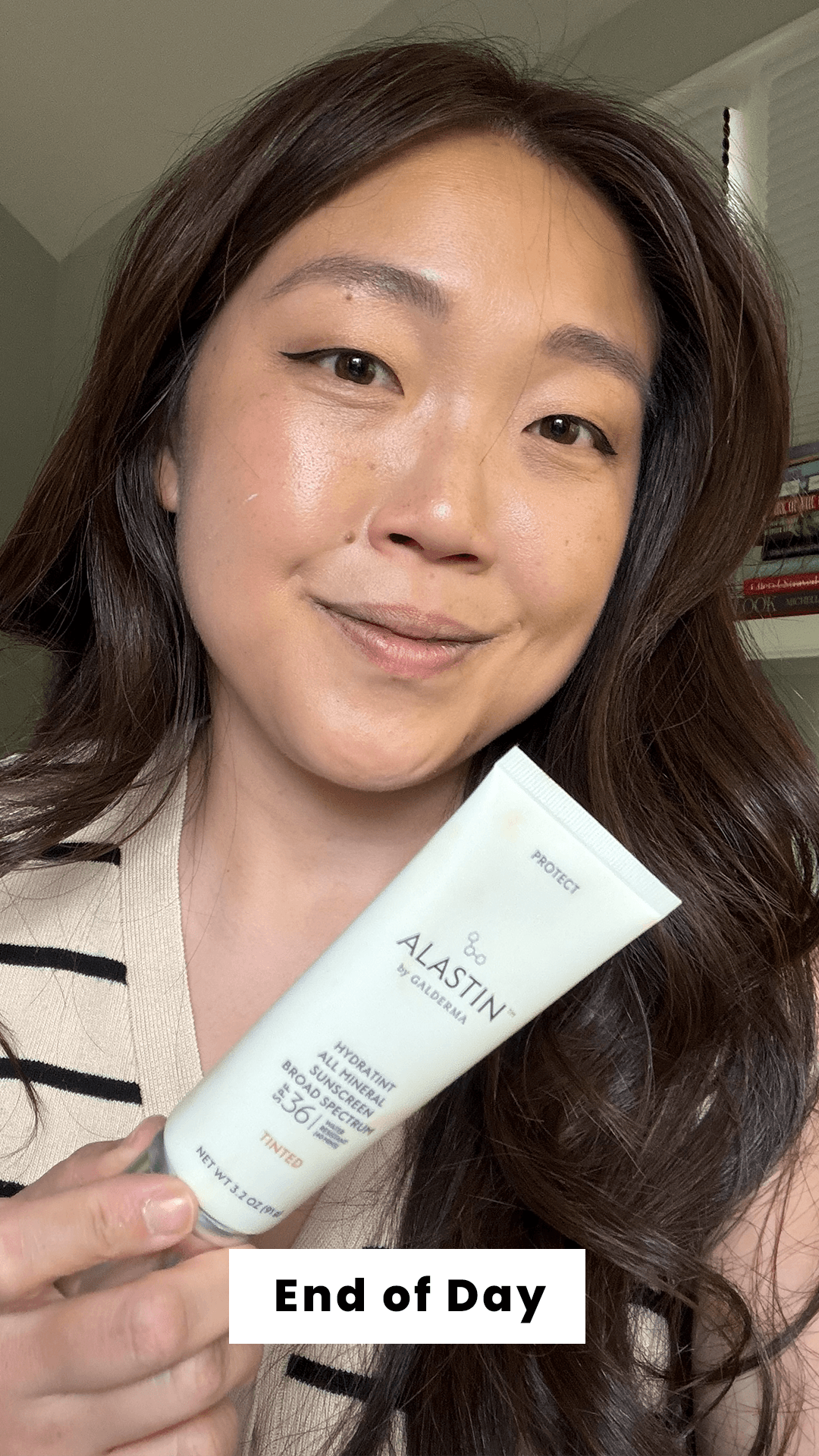
Tester feedback from contributing commerce writer Christa Joanna Lee
“As someone with sensitive and fair skin, I’m usually picky about mineral sunscreens, and I was a little hesitant that Alastin's Skincare HydraTint Pro Mineral Sunscreen SPF 36 only comes in one shade—but the tint is sheer enough to cancel out any chalkiness. I definitely wouldn't personally say it’s in makeup territory, but it does add just enough to even out your skin. It blends in beautifully and absorbs quickly, but I usually sweep another layer of my favorite dewy serum foundation to even out my melasma more.” —Christa Joanna Lee, contributing commerce writer
More to know
- Key ingredients: 3.4% zinc oxide, 8.9% titanium dioxide, ectoin, phytoene, phytofluene, Thermus thermophilus ferment
- Type: mineral
- Tinted: yes (1 shade)
- Water-resistant: 40 minutes
- Fragrance-free: yes
Best Chemical Sunscreen Overall: Beauty of Joseon Dayscreen Moisturizer SPF 30
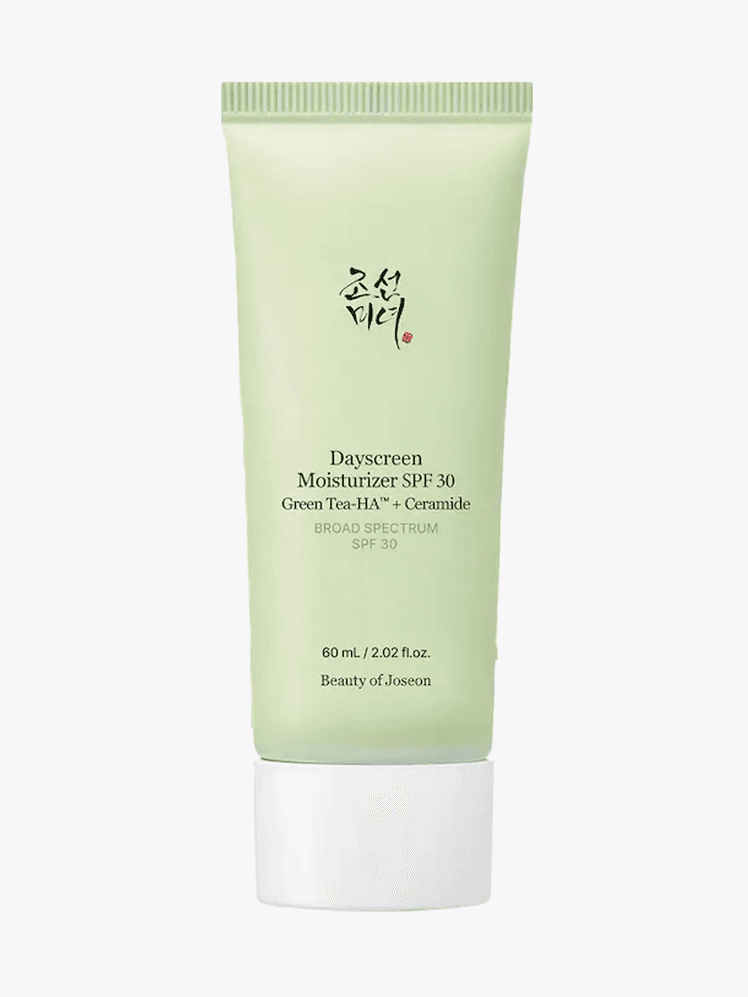
Why it's worth it: If you want a Beauty of Joseon sunscreen that feels like you’re wearing nothing, meet Dayscreen. Similar to the original Relief Sun that went viral many times over, this chemical SPF will lend you that glass glow and serve as a fantastic hydrating but never heavy primer. Low-molecular hyaluronic acid—meaning it has smaller molecules that can penetrate to deeper levels of your skin—and green tea make up Beauty of Joseon's proprietary ingredient, Green Tea-HA, for comfortable, lightweight, and skin-soothing moisture. On top of that, ceramide NP supports a healthy, stronger barrier by helping your skin retain moisture. Despite feeling weightless, it's a true moisturizer-sunscreen hybrid that you can count on each a.m. to nourish and protect your complexion.
Tester feedback from commerce editor Sarah Han
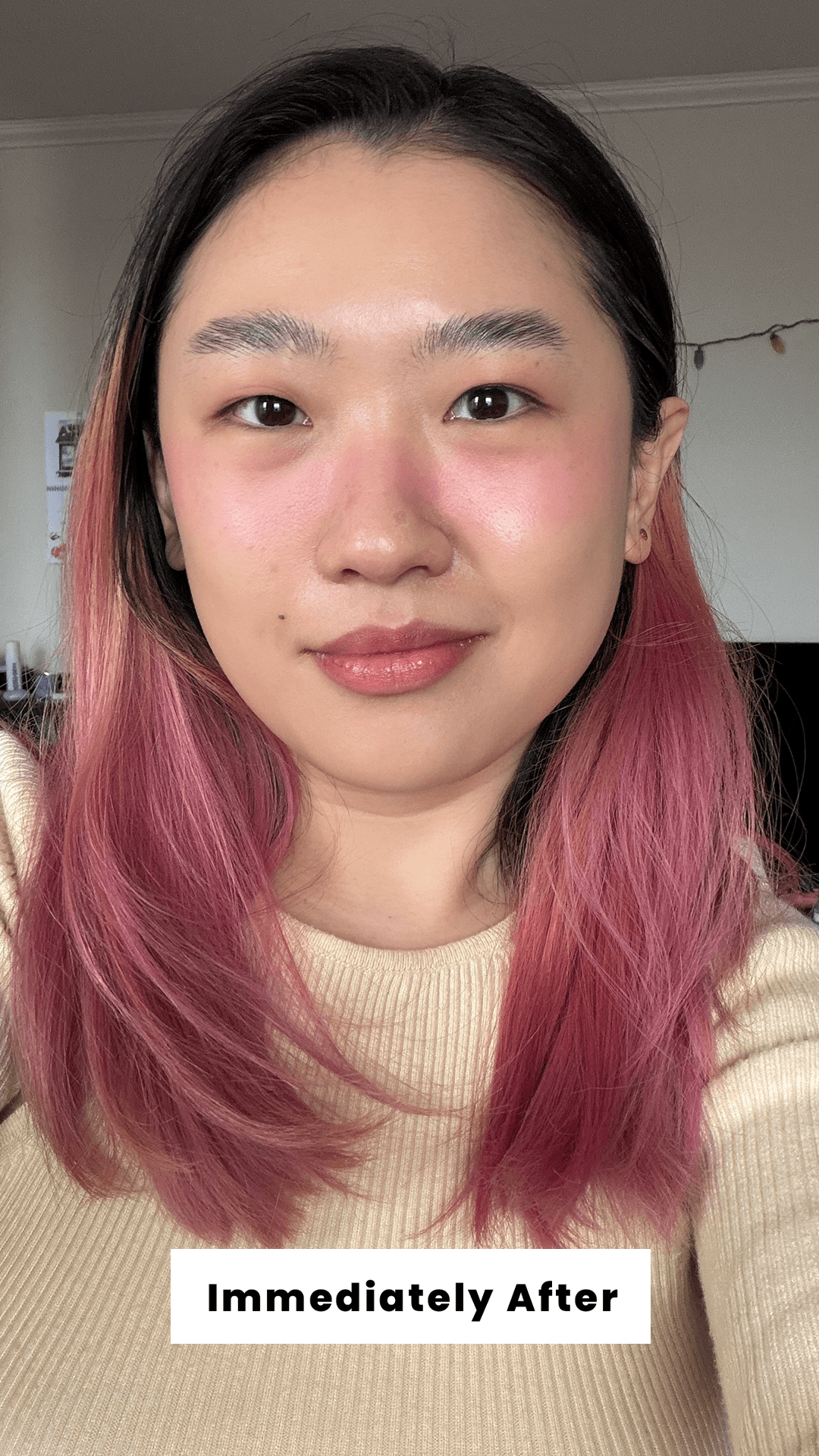
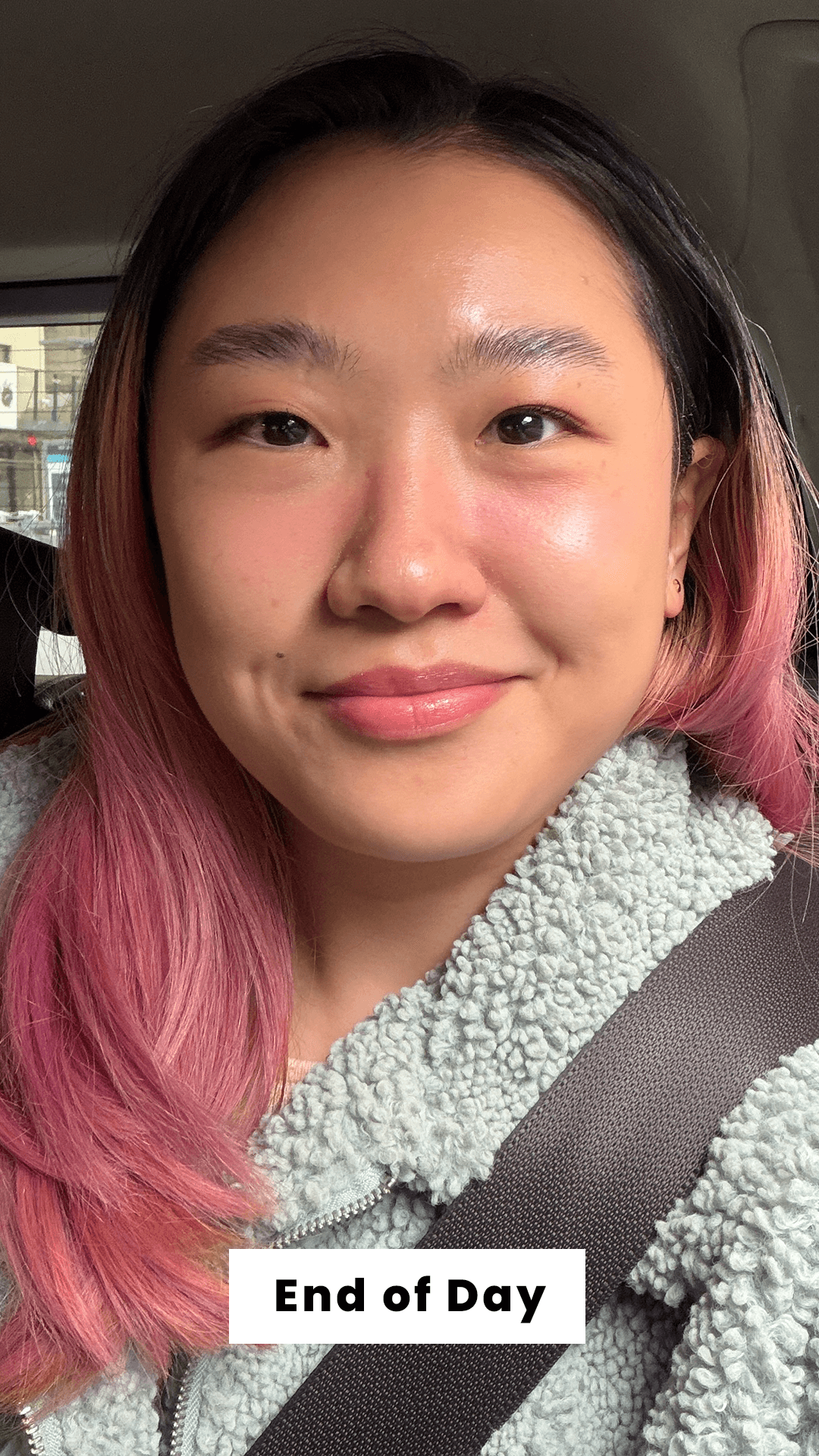
"Like most Korean sunscreen lovers, I fell hard for Beauty of Joseon’s Relief Sun in 2022 when it was practically everywhere on social media. While I have a few stockpiled extras of the formula (beauty editor perk), I’ve been searching high and low for comparable, FDA-approved formulas to see which stack up to the original fave, if any. I’m happy to report that Dayscreen is seriously on par with Relief Sun, and, to make things better, is designed with a thinner nozzle that makes dispensing three finger lengths’ worth of product cleaner and easier. This formula is just as lightweight, breathable, and moisturizing as the original, thanks to green tea and ceramides, and disappears without a trace. It also doesn’t seep into or sting my eyes, which is always a concern when it comes to chemical sunscreens. It also doesn’t make my combination skin and T-zone look too gleamy—but that’s what setting powder is for.
Speaking of makeup, I was really impressed by how Dayscreen held up underneath my usual skin care (toner, vitamin C, and sometimes moisturizer) and my base makeup. I usually only wear concealer but I’ve tested this SPF underneath a full face of skin tint/foundation, and zero pilling in sight. As someone who loves my moisturizing skin-care layers, this is the ultimate test—especially when I’m running late in the mornings and zero time (or patience) to remove everything with micellar water or, worse, straight-up wash my face. I’ve become so impressed that this is now my go-to travel sunscreen!" —Sarah Han, commerce editor
More to know
- Key ingredients: 2.7% avobenzone, 5% homosalate, 4.5% octisalate, 4% octocrylene, Green Tea-HA, sea buckthorn fruit oil, ceramide NP
- Type: chemical
- Tinted: no
- Water-resistant: no
- Fragrance-free: yes
Best for Redness: Peach & Lily Beam Blocker Invisible Sunscreen
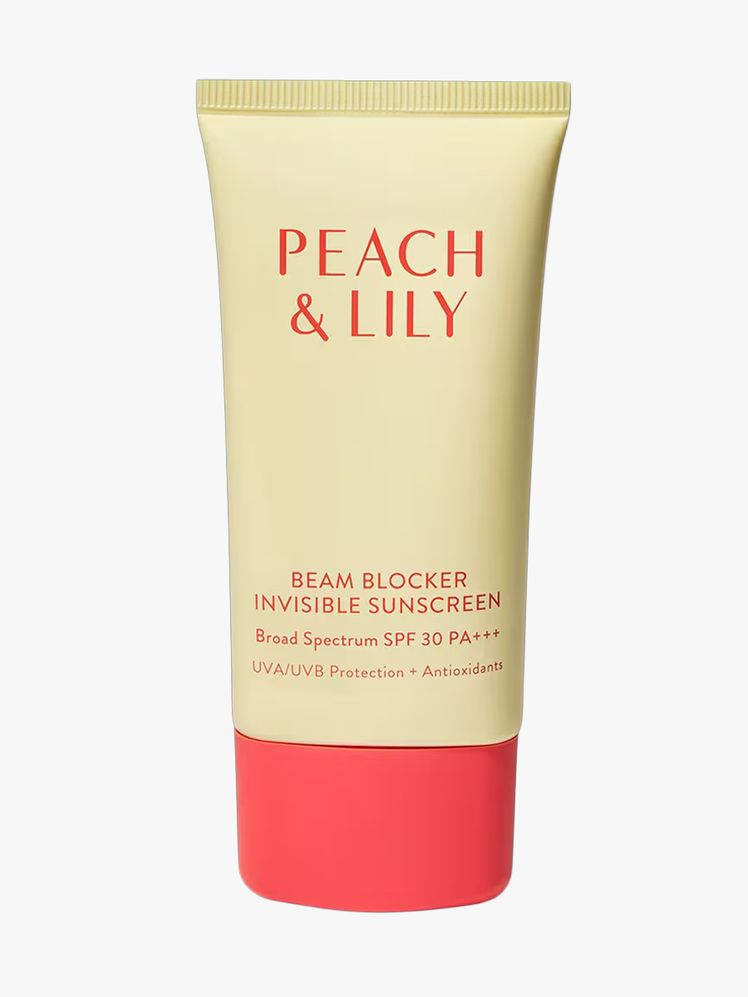
Why it's worth it: With its fully chemical formula, Peach & Lily’s Beam Blocker Invisible Sunscreen goes on completely clear, but what really sets it apart is how well it keeps inflammation and redness in check, especially the kind triggered by sun exposure and environmental stress. Antioxidants like green tea and ferulic acid neutralize oxidative stress (which can lead to sensitivity), while ectoin acts more like a bodyguard for your skin cells, protecting them from environmental stress. Soothing ingredients like bisabolol and Centella asiatica step in to further calm redness. Together, they help skin stay balanced throughout the day.
In addition to its anti-inflammatory benefits, it rounds things out with niacinamide to even tone, plus ceramides and panthenol to support the barrier, so skin is less reactive overall. And when it comes to makeup, it really shines: The texture is smooth and lightly hydrating with just enough slip, so foundation glides on evenly. It’s also ophthalmologist-tested, so you can comfortably take it all the way up to the undereye and along the orbital bone—essential for getting seamless SPF coverage beneath undereye concealer without irritation.
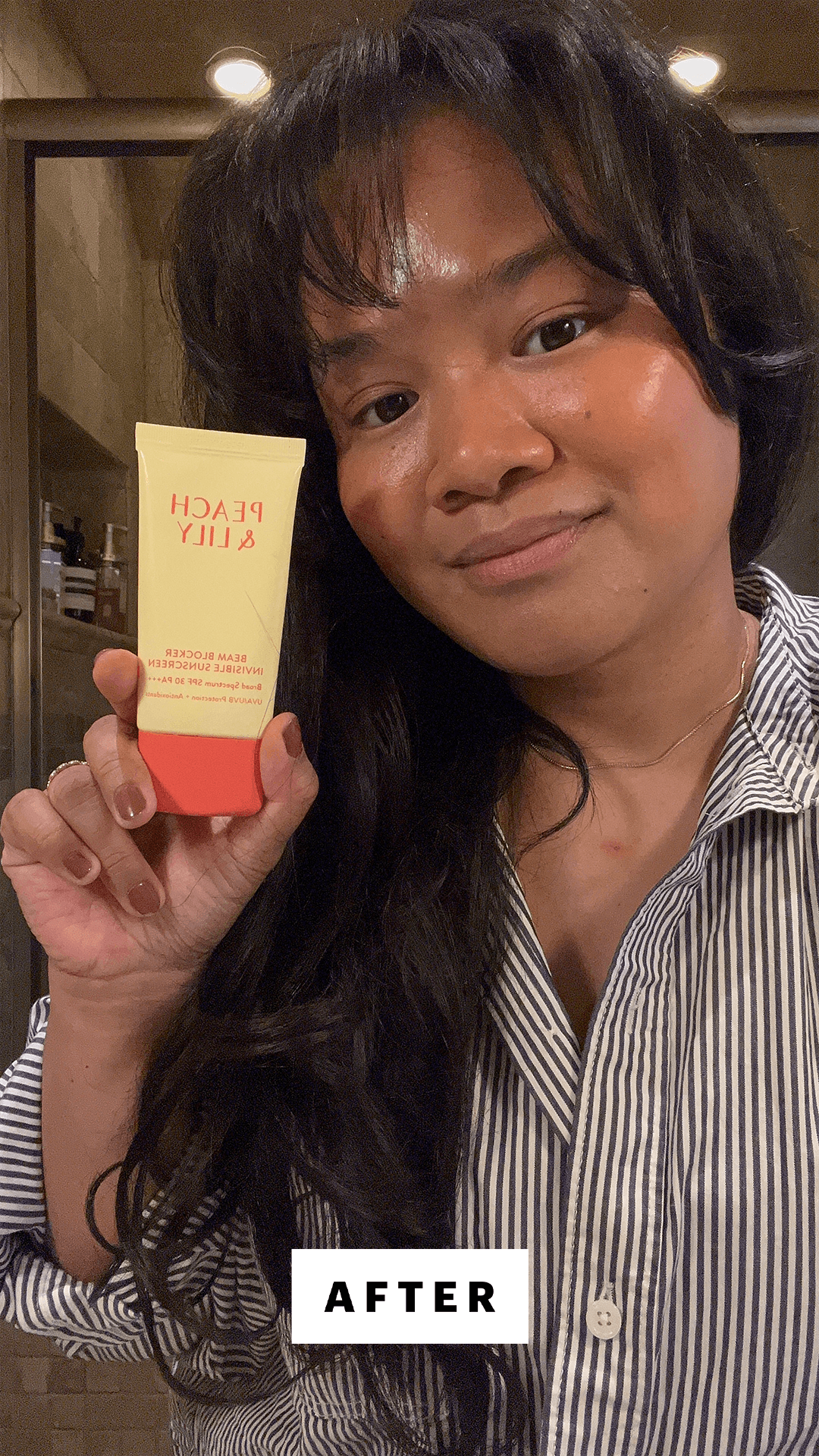
Tester feedback from senior editor Jesa Marie Calaor
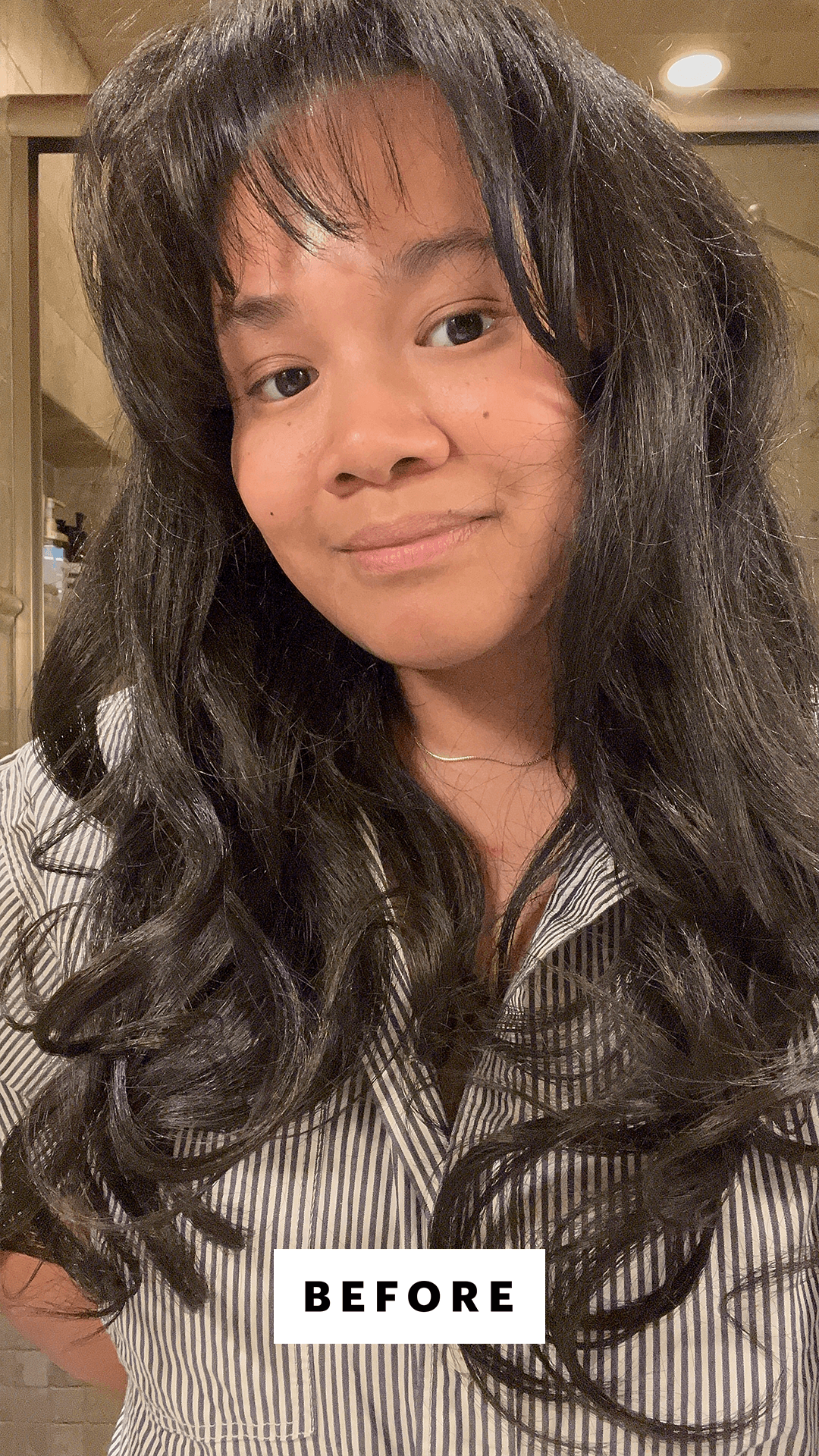
“My skin is dehydrated year-round, so all of my face products need to be hydrating. This one delivers, creating that satisfying ‘squish’ as I massage it in. It feels like a moisturizer and absorbs within seconds of application. It acts as a fantastic base for makeup—smoothing dry patches and never pilling under my skin tints or liquid foundations. I use it every day on my face, neck, and on and behind my ears. I even gave it to my dad to try, and he said the formula feels like a regular facial moisturizer, which is a big plus for someone hesitant to use sunscreen daily.” —Jesa Marie Calaor, senior editor
More to know
- Key ingredients: 3% avobenzone, 7% homosalate, 5% octisalate, ceramides, panthenol, hyaluronic acid, ectoin, bisabolol, Centella asiatica, green tea, ferulic acid
- Type: chemical
- Tinted: no
- Water-resistant: no
- Fragrance-free: yes
Best Tinted: Ilia Sun Serum Mineral Sunscreen SPF 50
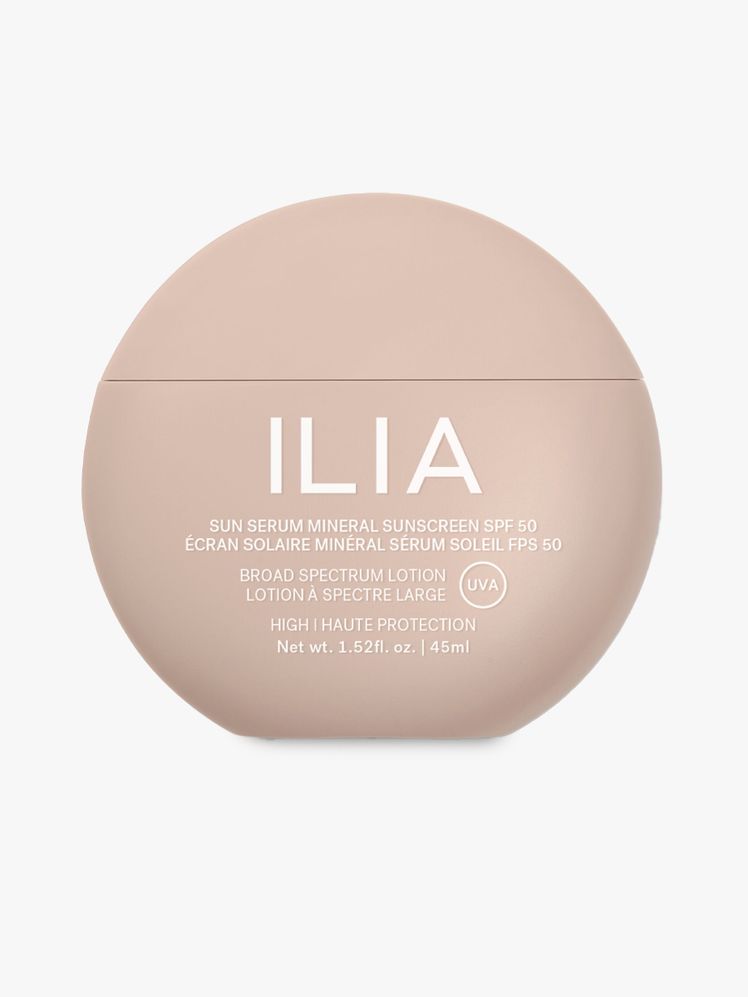
Why it's worth it: No fewer than six of our staffers practically stopped everything they were doing to slather on Ilia’s Sun Serum Mineral Sunscreen SPF 50 the second it launched this year. And considering mineral sunscreens have a reputation for being thick, heavy, and generally a little too sunscreen-y, Ilia pulls off a serum-like texture that feels weightless. What makes it even more impressive: It packs a fairly high 10.5% concentration of zinc oxide, which is —one of the trickiest UV filters to make feel elegant, especially at SPF 50. Yet, it glides onto skin so effortlessly, you might not even suspectguess it was a mineral sunscreen at all. Seven forms of hyaluronic acid drench skin with hydration to offset the dryness mineral SPFs can sometimes leave behind, while echinacea and arctic root extracts keep excess sebum in check. While the lightweight texture is fluid, it’s not quite as runny as the Skin Tint loyalists know and love.
Tester feedback from creative producer Sydney Malone
“I have combination skin, so I am always wary of products that will either dry me out or make me appear too oily—I prefer a happy medium. This is especially true of sunscreens, because I have found that there are either mineral formulas that often leave an ashy appearance or sheer ones that are supposed to give a ‘glow’ but, in reality, make me look sweaty.
When I first squeezed this product out of the bottle, I was scared by the tone of brown that the product was because it seemed like it would be ashy. However, I was pleasantly surprised by how well it applied to my skin and settled. It felt like that perfect mix I look for, and honestly, it was the most impressed I’ve ever been with a facial sunscreen. I didn’t look sweaty; I didn’t look ashy. In fact, you almost couldn’t even tell it was on, which I loved.
It has a super natural finish, and I wore it for almost nine hours before I washed my face at night, and it never changed. It gave my holy grail sunscreen a run for its money.” —Sydney Malone, creative producer
More to know
- Key ingredients: 10.5% zinc oxide
- Type: mineral
- Tinted: yes (2; light-medium, medium-deep)
- Water-resistant: no
- Who it's for: everyone
- Fragrance-free: yes
Best for Dry Skin: Clinique UV Solutions Hydrating SPF 50
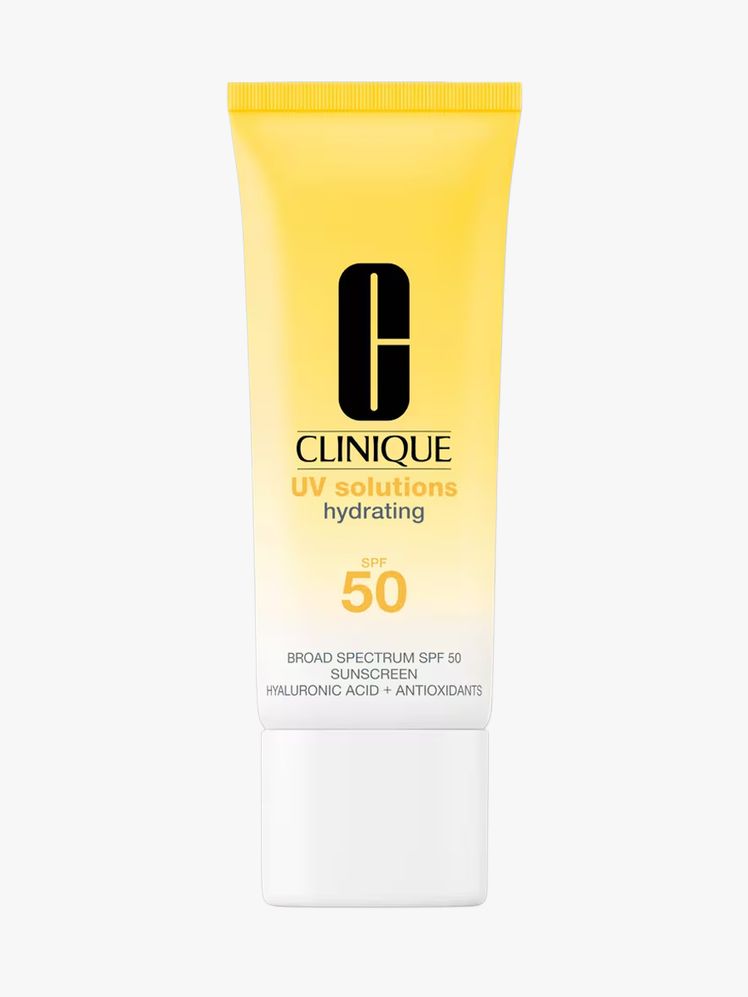
Why it's worth it: Clinique is the beauty equivalent of a good friend: dependable, low-drama, and always showing up when you need it most. Its UV Solutions Hydrating SPF 50 is no exception—and even earns the Skin Cancer Foundation seal, a voluntary certification that signals the formula has met specific standards for reliable and effective UV protection. But what really makes this chemical sunscreen shine is how hydrating it feels. Sodium hyaluronate (a form of hyaluronic acid) and glycerin make dry skin look plumper and feel comfortable, while antioxidants like vitamin E, rice bran extract, and lychee seed extract offer extra defense against environmental stressors. Despite all that moisture, the fragrance-free formula sinks in quickly without feeling greasy, so you won’t be stuck waiting around before moving on to the rest of your makeup routine.
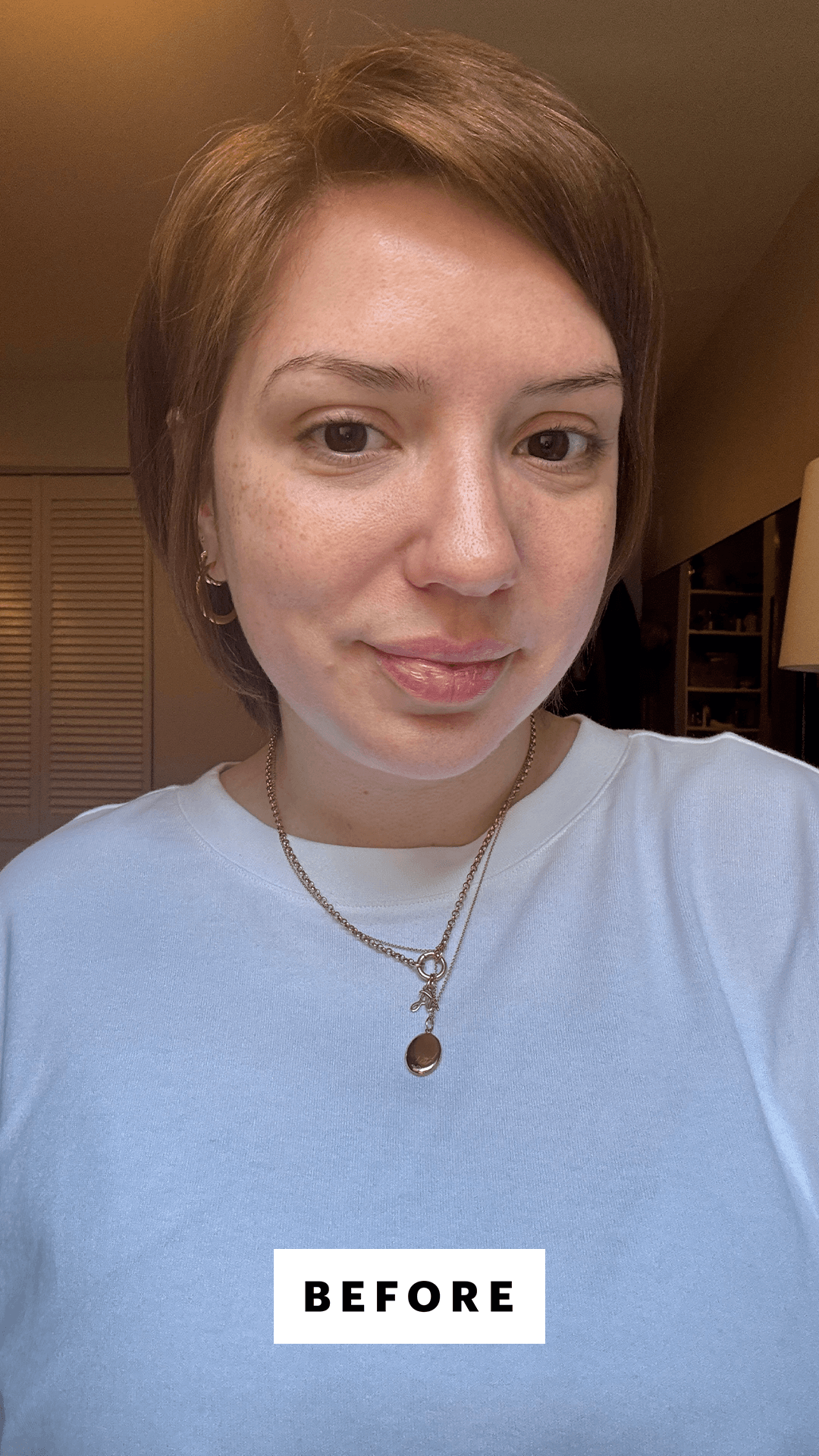
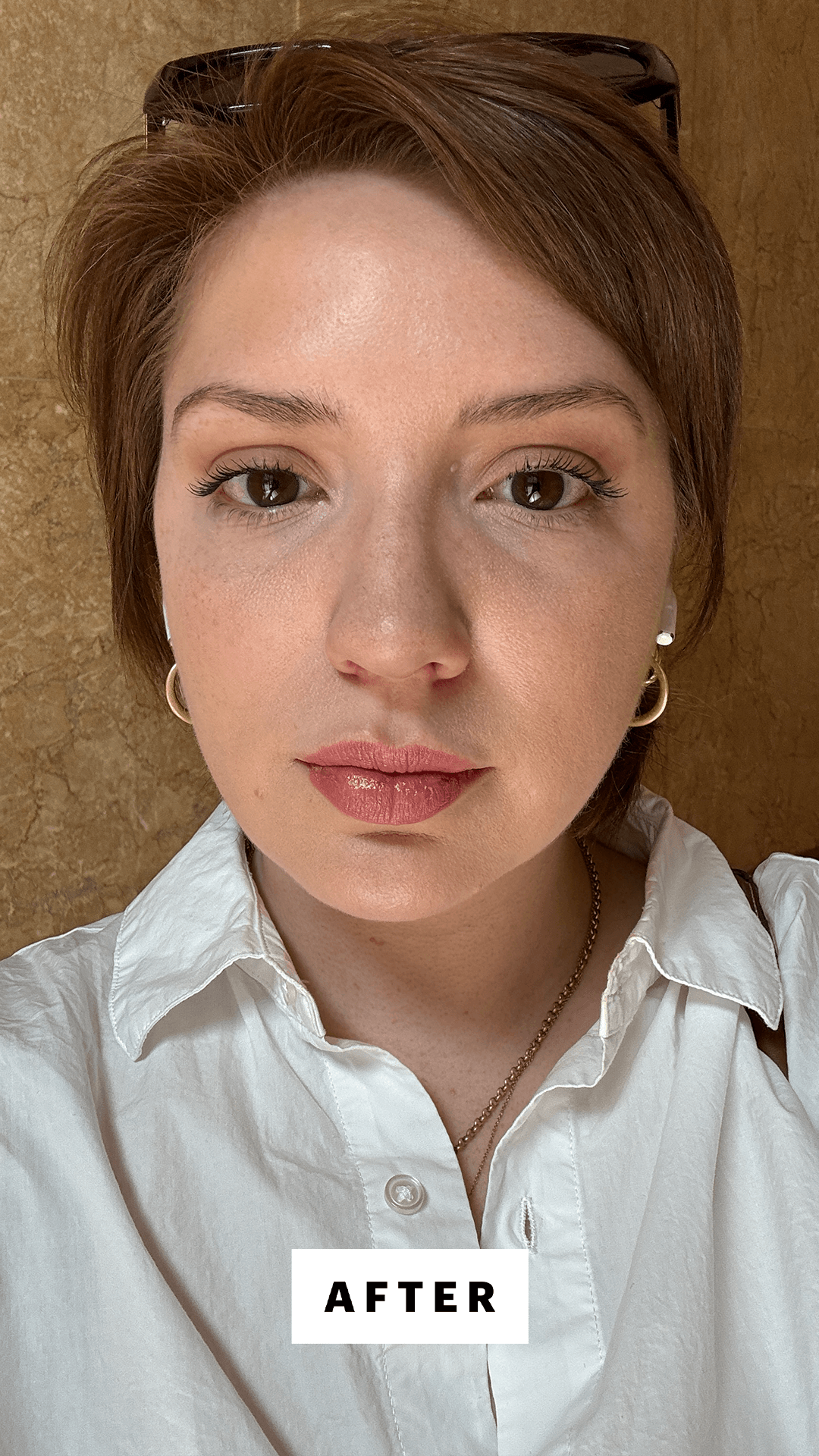
Tester feedback from social director Kassidy Silva
“After testing sunscreens last year for Best of Beauty, I'll admit I've become a bit of a snob. What can I say, I like what I like! The Clinique UV Solutions Sunscreen Broad Spectrum SPF 50 was an immediate standout for how seamless this sat under my primer. I'd love to say I'm just a ‘skin-care and go’ girl, but I love a full face of makeup.” —Kassidy Silva, social director
More to know
- Key ingredients: 7% homosalate, 7% octocrylene, 4.5% octisalate, 3% avobenzone, vitamin E, provitamin D, lychee seed extract, rice bran extract
- Type: chemical
- Tinted: no
- Water-resistant: no
- Who it's for: everyone, especially people with dry or sensitive skin
- Fragrance-free: yes
Best for Sensitive Skin: Summer Fridays ShadeDrops SPF 50 Mineral Milk Sunscreen
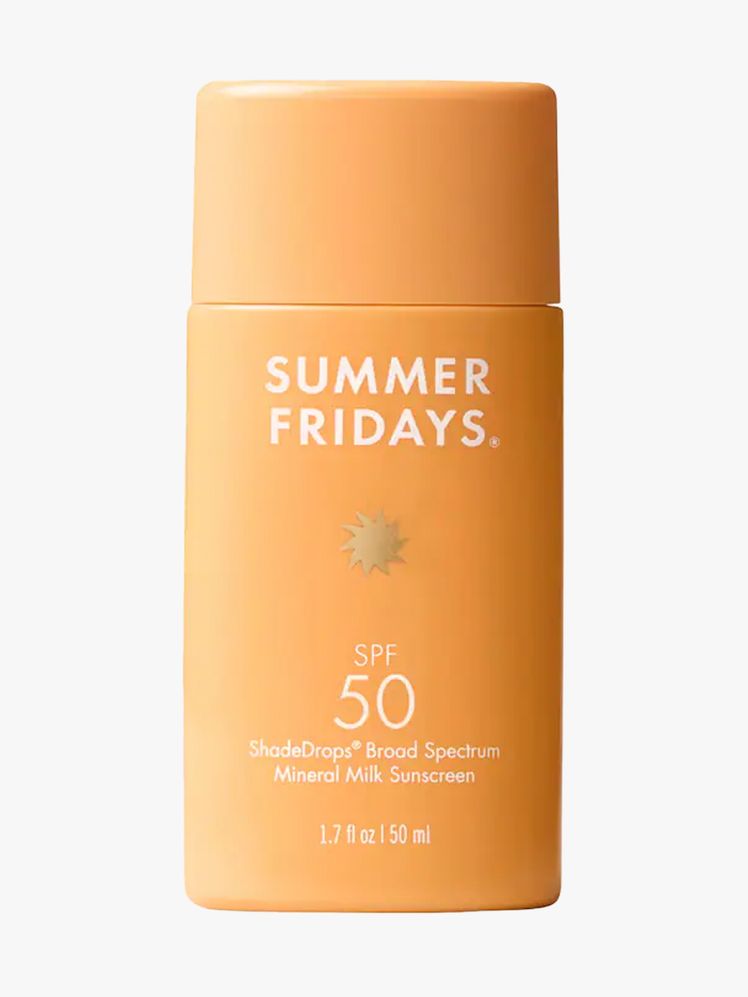
Why it's worth it: If you were a fan of Summer Fridays’ original ShadeDrops formula with 9.4% zinc oxide, you might be an even bigger fan of the reformulation. The newer version bumps protection up to SPF 50 and pairs zinc oxide with titanium dioxide, two mineral filters that work together to broaden UV coverage while maintaining that barely-there feel. It also packs in more skin-care extras, including ectoin, ceramides, and soothing ingredients like allantoin and chamomile extract for added barrier support. It’s an I-forgot-I-was-wearing-SPF kind of formula that absorbs quickly, feels more like a lightweight, milky serum than a traditional mineral sunscreen, and is especially great for sensitive or dry skin types that want protection without heaviness.
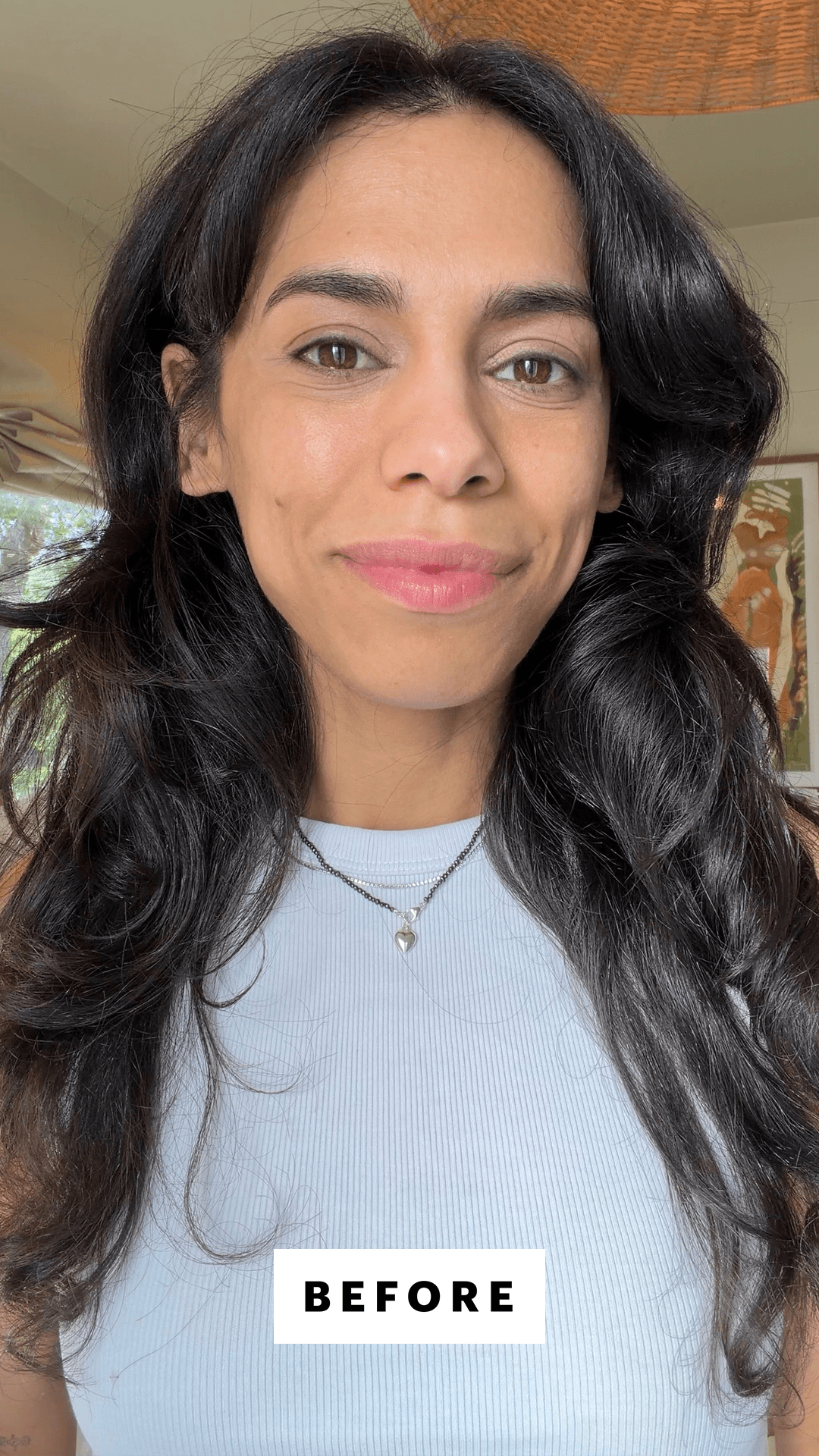
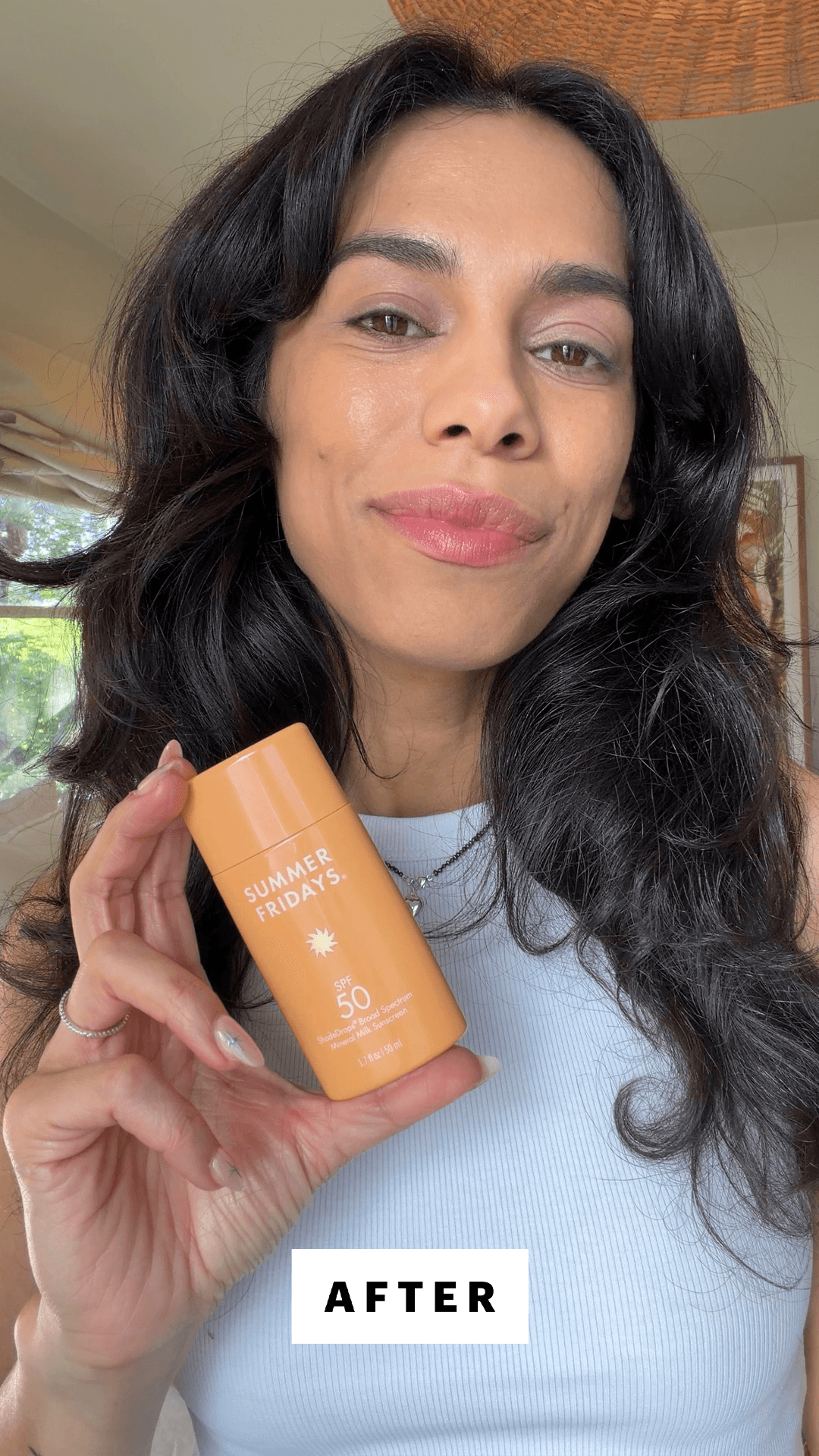
Tester feedback from senior commerce director Shanna Shipin
“I am so happy Summer Fridays reformulated this product to boost the Mineral Milk to SPF 50! I was already a fan of the original, but there's so much more to love about this new version. The packaging, for one, is so cute—a happy tangerine with a more luxe finish that won't discolor over time (unlike the original!)—and the formula itself isn't as runny. It's just as lightweight and a bit smoother, and I love that it leaves my skin with a glowing (but not greasy) finish. This product is probably best for drier skin types. It's hydrating (thanks to glycerin and a ceramide complex in the formula), but I can see it being a hair too glowy on someone looking for a matte or more natural finish. I typically only wear skin tints, so I love the extra glowy-skin boost that this SPF provides! And it never competes with anything I layer over it: blush, bronzer, setting spray—they all play so well on top of this formula.” —Shanna Shipin, senior commerce director
More to know
- Key ingredients: 5.93% zinc oxide, 5.46% titanium dioxide, shea butter, ceramides, glycerin
- Type: mineral
- Tinted: yes
- Water-resistant: no
- Who it's for: everyone, especially those with dry or sensitive skin
- Fragrance-free: yes
Best Lightweight: Kiehl’s Better Screen Miner-All UV Serum SPF 50+
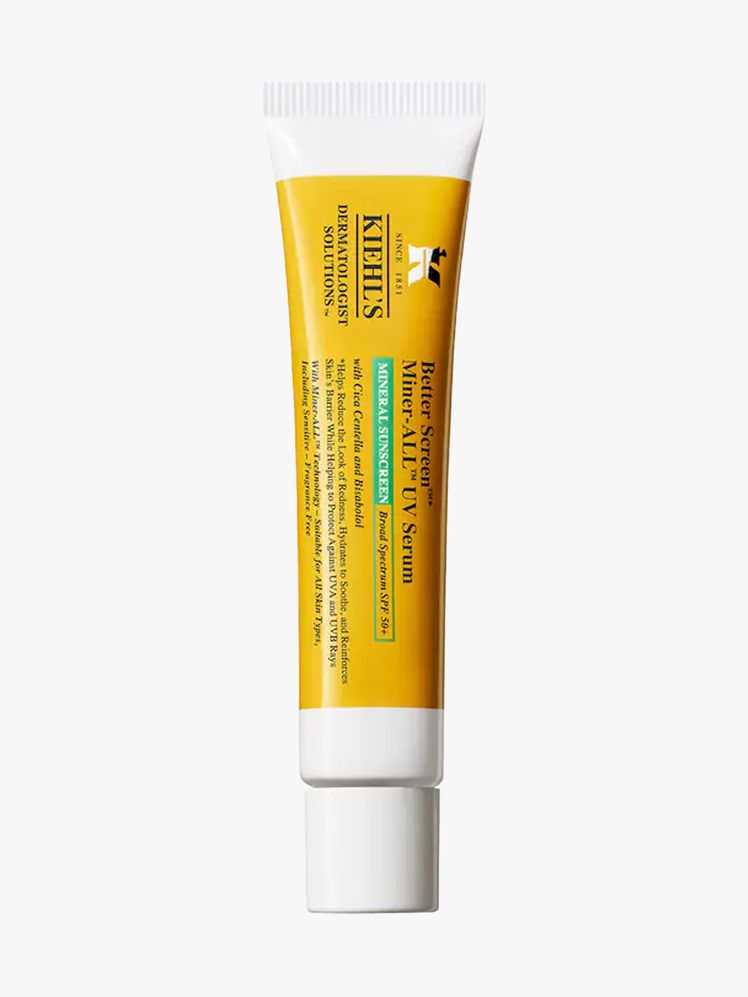
Why it's worth it: If you’ve been burned (pun intended) by a thick mineral sunscreen settling into every dry patch, Kiehl’s Better Screen Miner-All UV Serum SPF 50+ is here to reset your trust issues. Despite packing an impressive 15.35% zinc oxide (plus titanium dioxide), this formula somehow skips the paste-like feel mineral SPFs are infamous for and takes the “serum” part of its name seriously with a lightweight, fluid texture that glides on more like skin care than sunscreen. Niacinamide, glycerin, panthenol, Centella asiatica, aloe, and bisabolol provide plenty of hydration and calming support, offsetting the dry, tight feeling that mineral formulas can sometimes leave behind. Consider it proof that high-zinc sunscreens don’t have to feel like spackle.
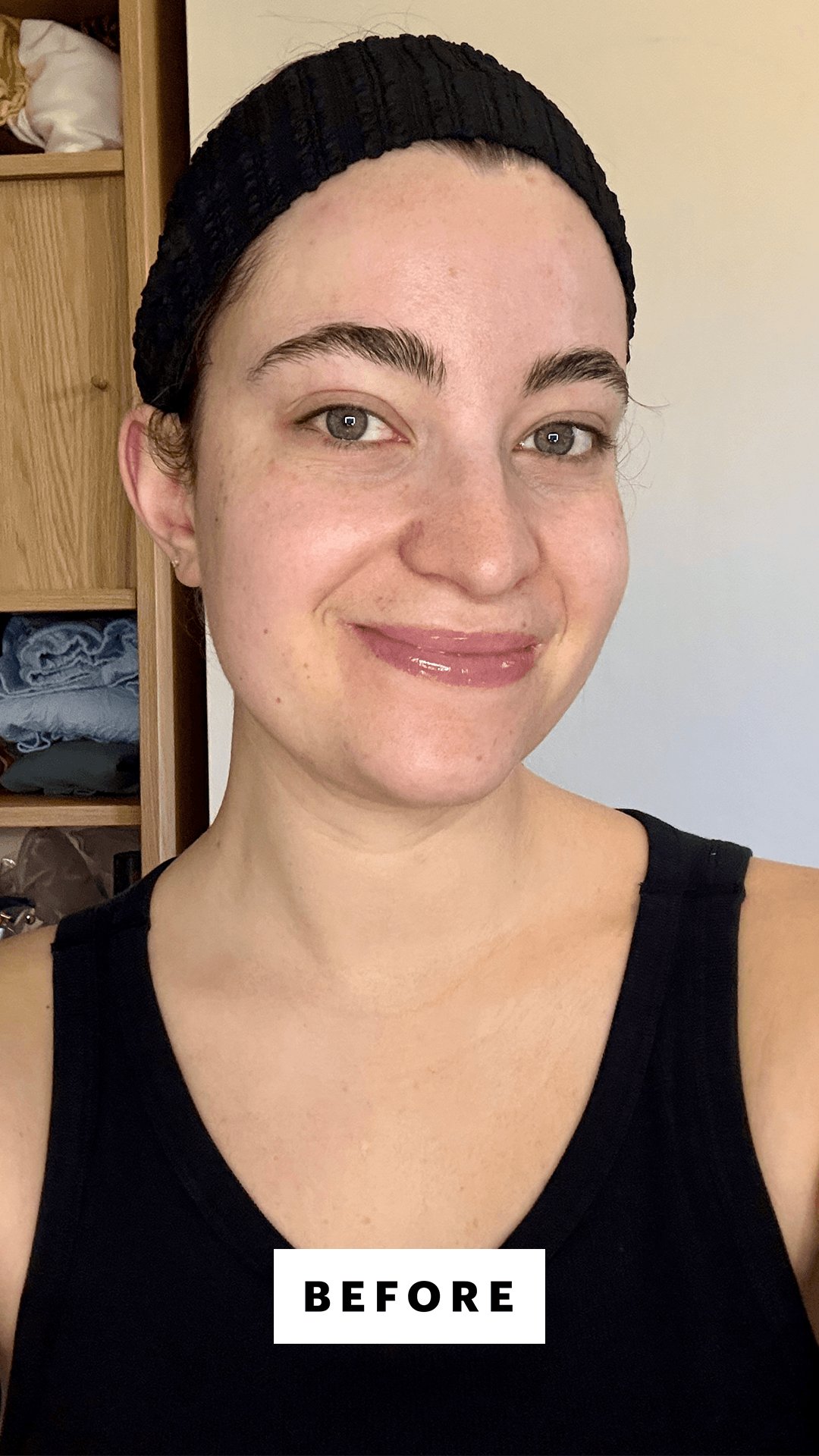
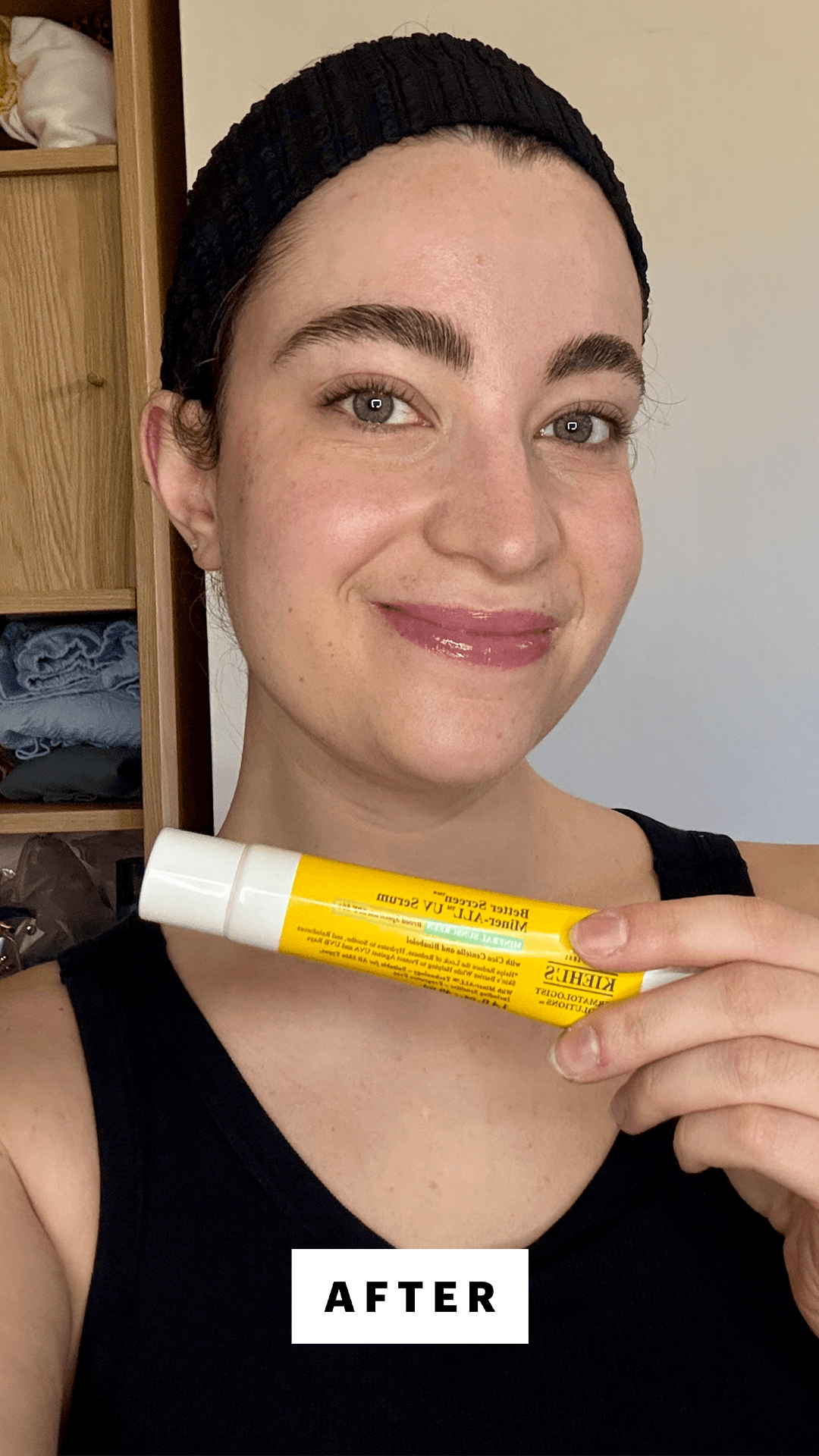
Tester feedback from senior commerce editor Sarah Felbin
“Listen: I wear SPF every day, but that doesn't mean I love applying it. Most sunscreens feel thick and sticky to me, plus they take a long time to rub in. But this one from Kiehl's is a huge game-changer! ‘Serum’ in the name feels really accurate—it has a thin consistency and sinks into my skin almost instantly, unlike any other SPF I've tried. Once it's on, my skin feels super-hydrated and looks glowy, but not too shiny. It's the perfect canvas for layering makeup. For a sunscreen that doesn't feel like sunscreen, it checks every box.” —Sarah Felbin, senior commerce editor
More to know
- Key ingredients: 2.66% titanium dioxide, 15.35% zinc oxide, Centella asiatica, niacinamide, glycerin, panthenol, aloe, bisabolol
- Type: mineral
- Tinted: no
- Water-resistant: no
- Who it's for: everyone, especially those with sensitive skin, eczema, or skin prone to redness
- Fragrance-free: yes
Other Sunscreens Under Makeup We Love:
- If you have mature skin, Isdin’s Eryfotona Actinica SPF 50+ is an 11% zinc oxide mineral sunscreen that does more than shield against UV rays. Beyond broad-spectrum protection, the brand’s proprietary DNA Repairsomes technology and vitamin E antioxidant “to protect skin at a cellular level” long after you’ve slathered it on, targeting the visible effects of sun damage like fine lines, says Dr. Reszko.
- If you want a drugstore option, La Roche-Posay’s Anthelios Clear Skin SPF 60 is an affordable favorite that feels especially made for oily and combination skin. The oil-free, non-comedogenic, chemical formula won’t clog pores, while silica and perlite absorb excess shine, leaving behind a matte finish that keeps midday slickness in check.
- If you’re terrible at remembering to reapply, slip Sulwhasoo’s UV Wise On-the-Go Sun Cushion into your pocket. The slim cushion compact makes both pre-makeup application and over-makeup touch-ups feel practically effortless, thanks to its lightweight hybrid sunscreen formula. Plus, five types of hyaluronic acid, squalane, and antioxidant-rich botanicals like white ginseng and a mulberry complex replenish moisture and support the skin barrier with every pat.
Frequently Asked Questions
Is it important to wear sunscreen under makeup, or is SPF makeup enough?
Dermatologists recommend wearing a separate face sunscreen under makeup since “people regularly apply less sunscreen when using an SPF-containing foundation, BB or CC cream,” says Jane Yoo, MD, a dual board-certified dermatologist and Mohs surgeon based in New York City. While the proper amount of sunscreen is about a teaspoon to the face and neck, “realistically, they apply much less when they wear makeup with sunscreen,” she says. Applying sunscreen first creates a strong base for sun protection, while makeup with SPF can serve as an additional layer—not your primary one.
What could be happening if your makeup is pilling over your sunscreen?
If your makeup starts balling up or peeling over sunscreen, product compatibility may be the culprit. As Dr. Yoo explains, “pilling occurs when two products have incompatible film-forming systems that don't bind to each other,” so as you blend, friction causes the formulas to roll up into little flakes. Common causes include an oil-versus-water mismatch (like a silicone-heavy primer layered over a water-based sunscreen), clashing polymers between sunscreen and foundation formulas, or simply not waiting long enough for sunscreen to fully dry before applying makeup. To avoid it, look for lightweight, makeup-friendly sunscreens with a dry or matte finish and similar base chemistry to your makeup—“silicone-to-silicone or water-to-water,” says Dr. Yoo.
Which sunscreen ingredients can make makeup slide off?
Rather than a single sunscreen ingredient causing makeup to slide off, it often comes down to the formula's texture and vehicle. Dr. Yoo notes that “fluid, essence, serum, and gel sunscreens work best under makeup” because they’re lightweight, absorb quickly, and leave minimal residue behind. Especially if you have oily skin, cream or balm formulas can be more problematic since they’re “often too emollient-rich to exist under makeup,” creating extra slip that can make foundation move around throughout the day, she says.
Do mineral and chemical sunscreens wear differently under makeup?
Mineral and chemical sunscreens can behave differently under makeup, but Dr. Yoo says the supporting ingredients and formula texture often matter more than the filters themselves. Chemical filters are dissolved into the formula, so they “integrate invisibly and tend to feel lighter,” though some require oilier carrier systems that may not play as nicely under foundation. Mineral filters, on the other hand, are suspended particles that can sometimes leave a cast or alter foundation shades, though nano or micronized versions tend to sit more smoothly.
Ultimately, Dr. Yoo says makeup compatibility comes down to factors like:
- Finish: “Matte formulas typically play more nicely under makeup than dewy or satin finishes.”
- Oil content: “Heavier, oil-rich vehicles can create extra slip and make the foundation move around.”
- Ingredient compatibility: “Film-forming polymers in sunscreen and foundation need to work together—not compete.”
- Absorption: “Waiting three to five minutes before applying makeup can make a bigger difference than you’d think.”
Meet the experts
- May Hall, DO, a double board-certified dermatologist based in Asheville, North Carolina
- Anetta Reszko, MD, a board-certified dermatologist based in New York City
- Jane Yoo, MD, a dual board-certified dermatologist and Mohs surgeon based in New York City
How we test and review products
When Allure tests a product, our editors look at it from every angle in an effort to best serve you. We review ingredients, scrutinize brand claims, and, when necessary, examine peer-reviewed scientific and medical studies. In addition to testing each and every product that’s included in each and every review, we rely on experts who shape their fields, including dermatology, cosmetic chemistry, and medicine, to help us vet the ingredients and formulas.
For our list of the best sunscreens under makeup, we considered each product’s performance across five primary categories: product ingredients and efficacy, packaging, fragrance, texture, and product wear. Every product was determined to have excelled in each category by our editorial team, which is composed of in-house writers and editors as well as contributors—along with special consideration from dermatologists. To learn more information on our reporting and testing processes, read our complete reviews process and methodology page.
Our staff and testers
A beauty product is a personal purchase. You might be searching for a face cream to address persistent dryness or a new nail product to add to your Sunday self-care routine; you may simply be browsing around for the latest launches to hit the hair market. No matter what you seek or your individual needs and concerns, Allure wants to ensure that you love anything we recommend in our stories. We believe that having a diverse team of writers and editors—in addition to the wide range of outside testers and industry experts we regularly call upon—is essential to reaching that goal.
After all, can we really say a skin-care product is the "best" for people over 50 if the only testers we’ve solicited opinions from folks who have yet to hit 30? Can we honestly deem a high-end diffuser worthy of your hard-earned cash if it’s never been tested on curls? We’re proud that our staff spans a wide range of ages, skin tones, hair textures, genders, and backgrounds, which means that we are able to fairly assess any beauty product that comes into the beauty closet.
Now that your skin is protected, top off your base routine with these essentials:
- 9 Best Serum Foundations That Double as Skin Care
- 9 Best Cream Blushes for Effortless Radiance in Just a Few Swipes
- 9 Best Bronzers for Easy, All-Over Warmth
Now, watch the SNL cast spill secrets after sipping the truth serum:
Shop all of our latest obsessions in one place! And don't forget to follow Allure on Instagram and TikTok, or subscribe to our newsletter to stay up to date on all things beauty.


